
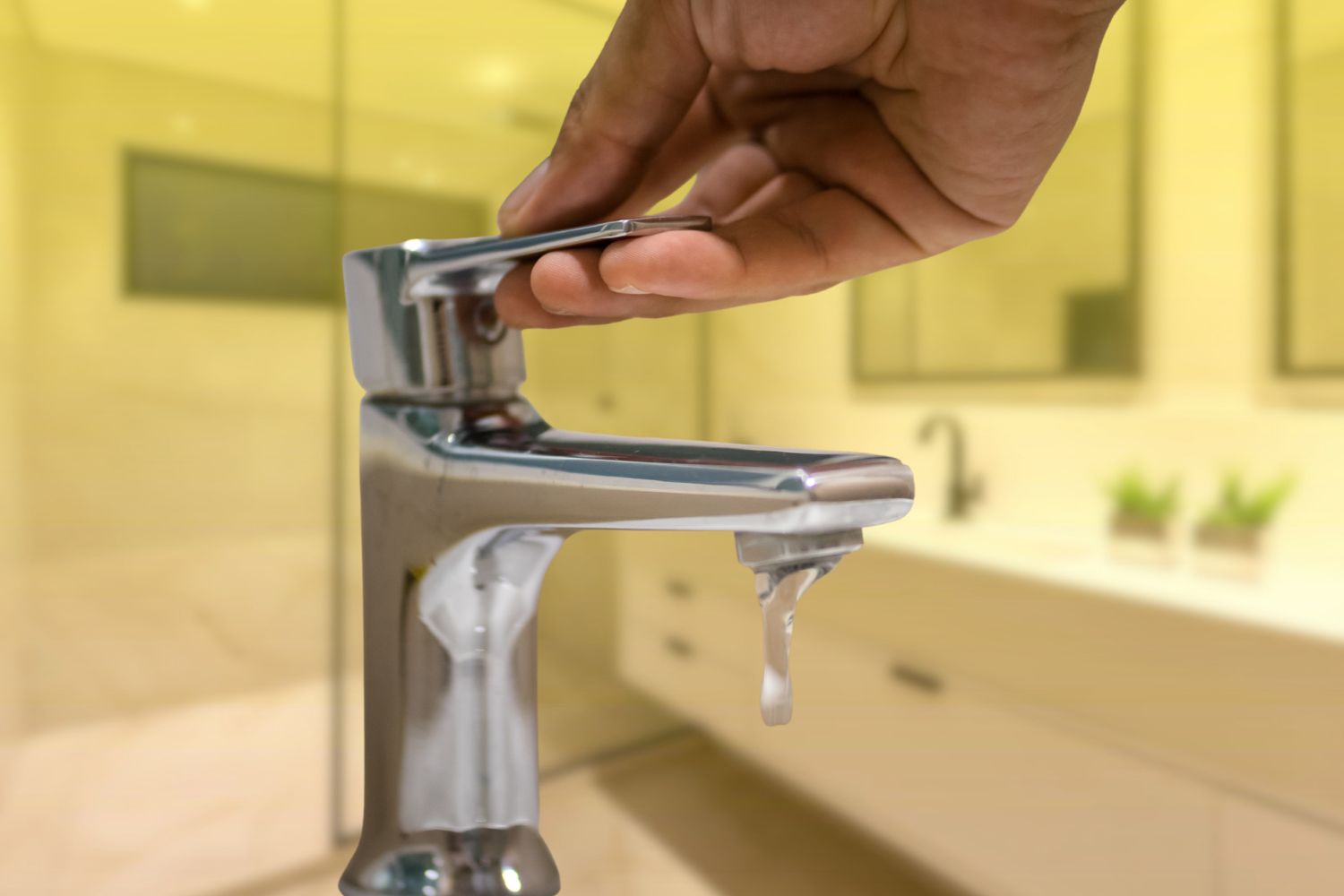
Drip your faucets when forecasts call for temperatures below 20°F for a few hours, or below 32°F for several hours overnight. Start before the cold arrives, not after a pipe freezes. Pipes in exterior walls, garages, crawl spaces, and attics need the most attention. Winters in Michigan and Ohio bring plenty of nights like this.
The inspectors at InsideOut Inspections Plus check plumbing in homes across the region, and a burst pipe is one of the costliest winter problems a homeowner can face. This guide covers when to start, which faucets to drip, how to do it right, and when to stop.
When Should You Drip Faucets?
Drip faucets when freezing weather is on the way, and the pipes behind them are exposed to the cold. Use this table as a starting point.
| Forecast | What to do |
| Below 32°F for about 4 hours or more | Drip faucets on exterior walls and in unheated areas |
| Below 20°F for about 3 hours or more | Drip a faucet in every zone of the home |
| Power outage during freezing weather | Drip faucets and keep the home as warm as you can |
| Mild day, hard freeze overnight | Start dripping in the evening, before the temperature falls |
| Leaving home during a cold snap | Set the heat to at least 55°F and drip faucets in unheated areas |
These numbers are guides, not guarantees. A pipe inside an insulated, heated wall can handle colder air than a bare pipe in a garage. PEX pipe resists freezing better than copper, but no pipe is freeze-proof.
Timing matters too. Turn the faucet on in the evening before temperatures fall, or within the first couple of hours of a freeze. Waiting until a pipe is already iced up is too late.
Why Dripping a Faucet Helps
Dripping a faucet helps in two ways. Moving water is harder to freeze than still water. An open faucet also gives pressure a place to go if ice does form.
When water freezes in a pipe, it expands. If the ice blocks the line, pressure builds between the ice and the closed faucet. That pressure is what splits a pipe. A dripping faucet lowers that pressure and gives the water a way out.
Dripping is not a guarantee. If the cold lasts long enough, even moving water can freeze. Think of it as one layer of protection, not the only one.
Which Faucets Should You Drip?
Drip the faucets fed by the pipes most likely to freeze. Those pipes sit in the coldest parts of your home.
- Faucets on exterior walls
- Faucets served by pipes in unheated garages, basements, crawl spaces, or attics
- The faucet farthest from where water enters the home, because it pulls water through the whole system
- One faucet in each zone, such as each floor or an addition
- Any faucet that would be hard to reach or costly to repair if its pipe froze
A small, single-zone home may only need one faucet. A larger home, or one with long pipe runs, needs more than one.
Not sure where your risky pipes are? Inspectors look at supply lines in crawl spaces and other tight spaces when they can be reached.
How to Drip a Faucet the Right Way
Dripping a faucet takes about five minutes and needs no tools. Follow these steps.
- Pick your faucets from the list above.
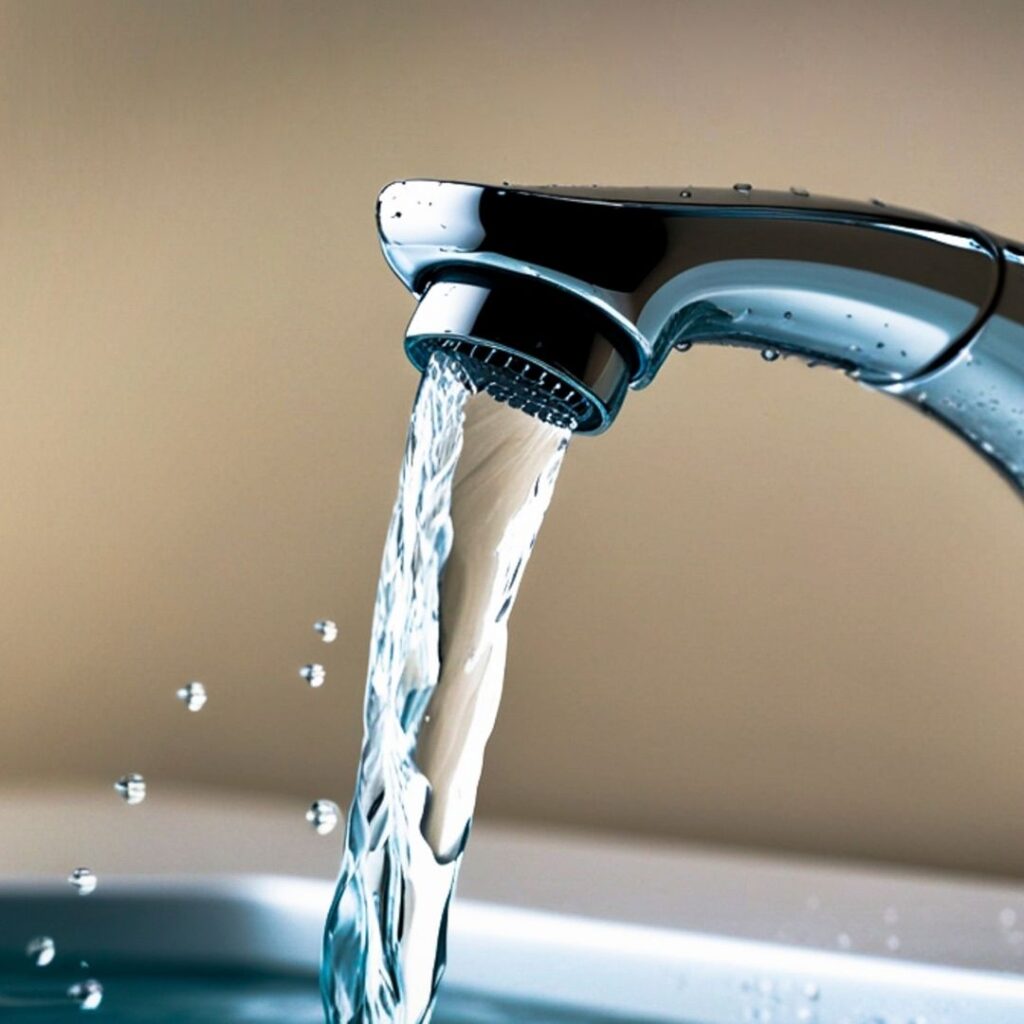
- Turn the handle until you get a thin, steady trickle. It should be easy to see and hear. A faint drip may not move enough water.
- Drip both the hot and cold sides if both lines run through exposed areas.
- Check the faucets before bed and again in the morning.
- Leave them running until the forecast stays above freezing.
Dripping is cheap. Mississippi State University Extension estimates that one dripping faucet costs about 2 cents a night and fills a gallon pitcher in about an hour. A burst pipe costs far more.
Hot Water or Cold Water?
Cold water is the top priority, because cold lines freeze first. If the hot line is also exposed, drip both. A common mistake is dripping only the hot side, which leaves the cold pipe unprotected. On a single-handle faucet, set the handle to the middle so both lines flow.
Common Dripping Mistakes
- Dripping too faintly to move water
- Dripping only the sink closest to the cold wall
- Dripping only hot water
- Starting after the pipe is already cold
- Treating a drip as a guarantee
Outdoor Faucets: Drain Them, Don’t Drip Them
Outdoor hose bibs should be drained before the first hard freeze, not left to drip. Disconnect and store your hoses. If there is an inside shutoff valve for the outdoor spigot, close it. Open the outdoor spigot to let the water out, then cover it with an insulated cover. Frost-free hose bibs help, but they still need the hose removed.
When Can You Stop Dripping?
Stop when the forecast shows temperatures staying above 32°F both day and night. If cabinets, crawl spaces, or basements still feel cold, keep dripping a little longer. In weather that swings up and down, wait until the pattern settles.
Other Ways to Protect Your Pipes
Winters across Michigan and Ohio bring hard freezes, so dripping works best as one layer of protection. Add these steps too.
- Keep the thermostat at 55°F or higher, even when you travel
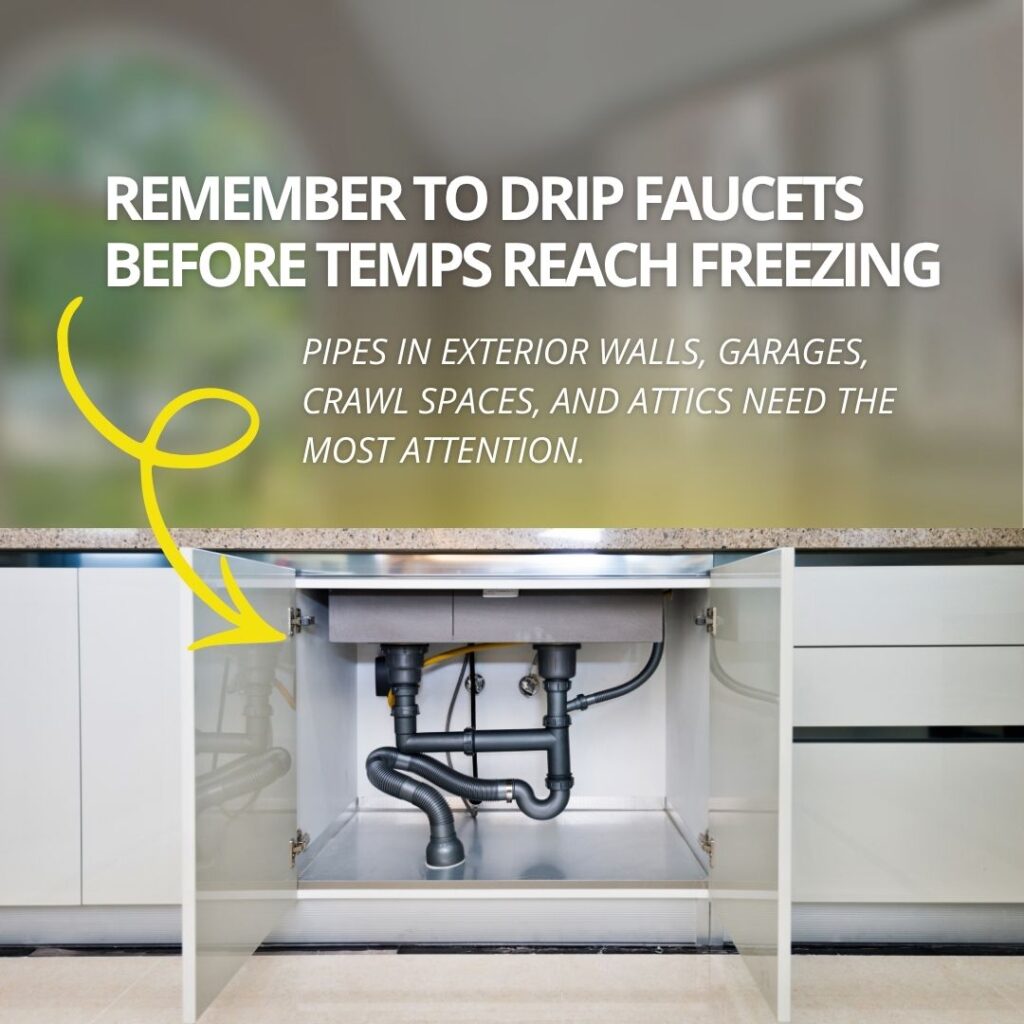
- Open cabinet doors under sinks on exterior walls so warm air reaches the pipes
- Wrap exposed pipes in foam sleeves in unheated areas
- Seal gaps where cold air reaches pipes, such as around vents and penetrations
- Keep garage doors closed during cold snaps
- Learn where your main water shutoff valve is before you need it
Plumbing problems can show up in newer homes too.
Other Winter Home Maintenance
Pipes are not the only part of your home that needs attention before a hard freeze. Do these quick jobs the same week you set up your dripping plan.
- Clean the gutters and check the downspouts. Clogged gutters can hold water that freezes and backs up under the roof edge. Make sure downspouts carry water away from the foundation.
- Test your smoke and carbon monoxide detectors. Furnaces and space heaters run more in winter, so replace batteries now. Test each detector and check the date on the unit.
- Have the furnace serviced. A heating system that fails during a cold snap puts your pipes at risk too. Replace the filter and book a tune-up before the coldest weeks.
- Seal drafts around doors, windows, and rim joists. Cold air that leaks into the home chills nearby pipes and raises your heating bill.
- Check the attic and crawl space. Look for missing insulation, damp spots, or gaps where cold air gets in.
- Consider radon testing. Homes stay closed up in winter, which is a good time to test. A radon test is simple and can be done any time of year.
- Watch for moisture and musty smells. A slow leak or condensation can lead to mold before you notice it.
Not sure what to check, or how your home handles a Michigan or Ohio winter? A home inspection from InsideOut Inspections Plus covers many of these areas in one visit.
What a Home Inspection Shows About Freeze Risk
Freeze risk depends on where your pipes run and how well they are protected. A home inspection looks at the plumbing, the crawl space, the attic, and the structure around them. Buyers can spot unprotected supply lines before their first winter in the home. Sellers who order a pre-listing inspection can fix those issues before they come up in negotiations.
Related Questions to Explore
- At what temperature should you drip your faucets? Start when the forecast shows temperatures below 20°F for several hours, or below 32°F for several hours overnight if your pipes are exposed. A heated home with insulated pipes can handle more cold than one with bare pipes in a garage.
- Should you drip hot or cold water to stop pipes from freezing? Drip cold water first, since cold lines freeze first. Drip both if the hot line is also exposed.
- How many faucets should you let drip? At least one in each zone of the home, plus every faucet on an exterior wall or in an unheated area. Add the faucet farthest from where water enters the home.
- Can pipes freeze in one night? Yes. A short section of pipe can freeze and burst while the rest of the line stays liquid. Overnight lows are the biggest risk.
- How can you tell if your pipes are frozen? Low water flow, no water, frost on exposed pipes, or odd sounds from the plumbing are common signs.
- Does dripping a faucet really prevent burst pipes? It helps. Moving water freezes less easily, and an open faucet relieves pressure if ice forms. It is not a guarantee, so insulation and heat still matter.
When to Call a Professional
Call a licensed plumber if you have no water or low pressure during a freeze, see frost or bulging on a pipe, hear gurgling, or find a leak or water stain on a ceiling or wall. If a pipe has burst, shut off the main water valve first. Never use an open flame to thaw a pipe.
Call an inspector when you want to know how exposed your plumbing is before winter, or after a freeze to check for hidden water damage in the crawl space, basement, or walls. Water damage left alone can lead to mold and softened wood.
InsideOut Inspections Plus serves Southeast Michigan, Northwest Ohio, and Northern Michigan. A home inspection covers the plumbing, the crawl space, and the structure around them.
Conclusion
- Drip when a hard freeze is in the forecast, before the cold arrives.
- Drip the faucets on exposed pipes, and drip both hot and cold when both lines are exposed.
- Stop when day and night temperatures stay above freezing.
Want to know how exposed your pipes are before winter settles in? Schedule a home inspection with InsideOut Inspections Plus and get a clear picture of your plumbing, crawl space, and structure.
