
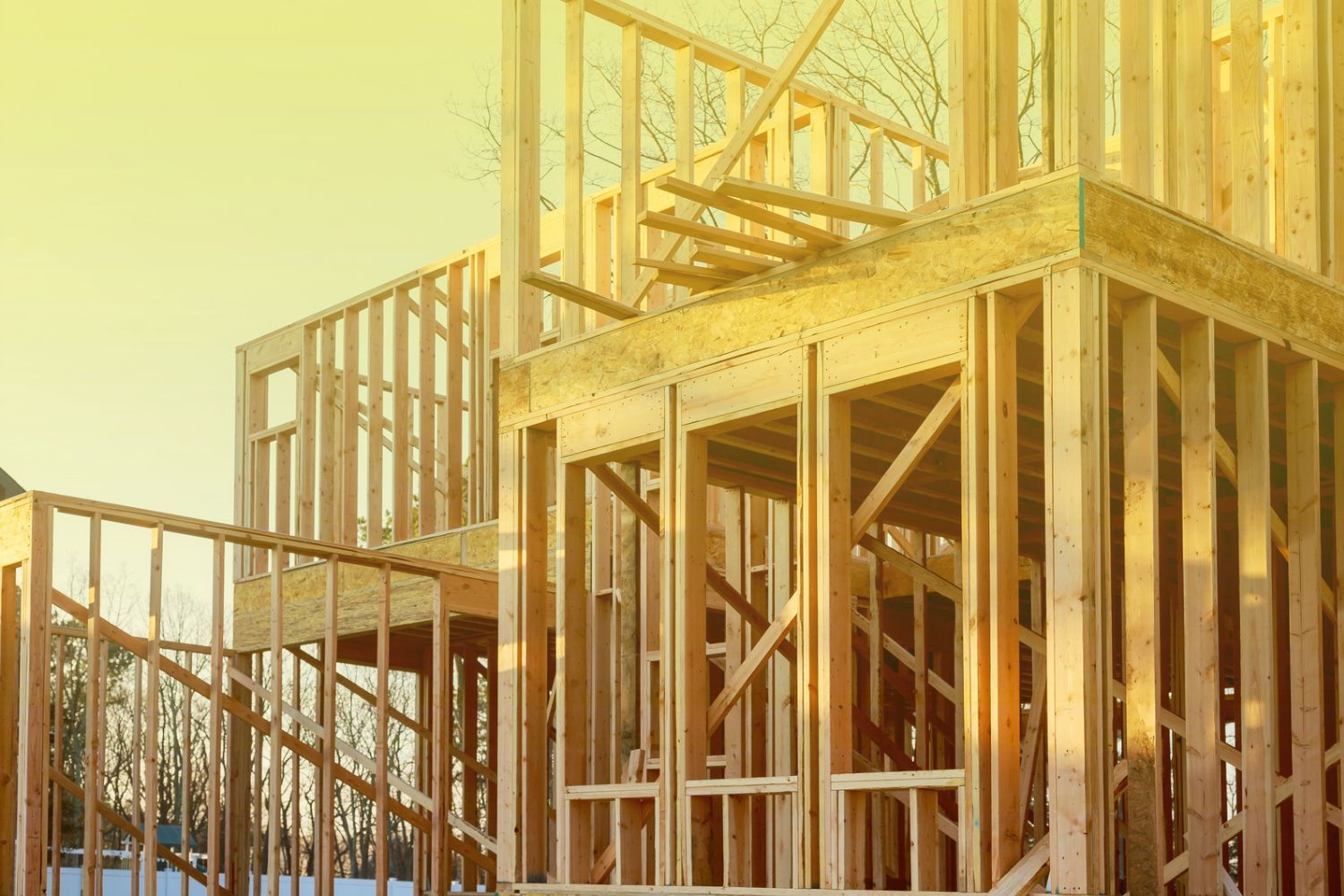
Structural issues are problems with the parts of a house that hold it up, such as the foundation, framing, floors, walls, and roof structure. Common signs include wide or horizontal cracks, sticking doors and windows, sloping floors, and walls that bow or lean. Not every crack means trouble, but some signs deserve a closer look.
InsideOut Inspections Plus inspects homes across Michigan and Ohio, and our team holds licensed builder credentials in both states. This guide explains what structural issues are, what causes them, which signs matter most, and what to do next.
What Counts as a Structural Issue?
A structural issue is damage or a defect in a part of the home that carries weight or keeps the building stable. That includes the foundation, footings, beams, posts, floor joists, wall framing, and roof framing. A cracked countertop is not structural. A sagging floor beam is.
InterNACHI, a national home inspector association, lists major defects such as structural failure as one of the categories of findings that matter most in an inspection.
Structural problems tend to be among the costliest to fix. Many structural issues build slowly. That is good news, because early signs give you time to act.
Common Signs of Structural Issues
Signs show up outside, inside, and wherever water and pests are involved. One sign alone is often minor. Several together call for a closer look.
Exterior Signs
- Stair-step, horizontal, or zigzag cracks in brick, block, or siding
- A porch or steps pulling away from the house
- A leaning or cracked chimney
- Gaps around windows and doors
- A sagging roofline
- Soil sinking next to the foundation
Interior Signs
- Cracks running diagonally from the corners of doors and windows
- Doors and windows that stick or no longer latch
- Floors that slope, bounce, or sag
- Walls that bow inward or lean
- Drywall cracks and nail pops that keep coming back
- Gaps between walls and floors or ceilings
- Cabinets pulling away from walls
Water and Pest Signs
- Water in the basement or crawl space
- Musty smells, stains, or visible mold
- Soft or rotted wood
- Mud tubes on the foundation, which can point to termites. A pest inspection can confirm.
| Sign | What it may point to | Next step |
| Hairline crack in drywall | Normal settling or curing | Watch it |
| Stair-step crack in brick or block | Uneven settling of the foundation | Get it evaluated |
| Horizontal crack in a basement wall | Soil or water pressure on the wall | Get it evaluated soon |
| Sloping or bouncy floors | Joist, beam, or post problem | Get it evaluated |
| Doors that stick year-round, with gaps | Possible movement in the framing or foundation | Get it evaluated |
| Wall bowing inward | Pressure on the foundation wall | Call a professional right away |

What Causes Structural Issues in Michigan and Ohio Homes?
Water is the top cause. Soil movement, age, and construction problems round out the list.
- Water and drainage: Poor grading, clogged gutters, and plumbing leaks soften the soil around a foundation.
- Freeze and thaw: Frozen ground expands. Spring thaws then push moisture into and around foundations.
- Soil: Clay soil holds water and can shift as it swells and dries.
- Age and wear: Older materials weaken over time.
- Construction problems: Poor workmanship or past repairs that missed the cause can show up years later. Our post on new construction foundation defects shows how early these can start.
- Rot and pests: Termites and wood rot weaken framing.
- Tree roots: Roots can push against walls and slabs near the home.
Crawl spaces collect many of these clues. See how crawl space conditions show up in your home inspection.
Structural Issues in New Construction Homes
New does not mean problem-free. New homes can have structural issues too, and they often trace back to how the home was built. Some movement is normal in the first year. Other signs point to a defect.
What is normal in a new home:
- Hairline cracks in concrete and drywall as materials cure and the home settles
- Small nail pops in drywall as lumber dries
What deserves a closer look:
- Foundation defects: Poor soil prep, weak concrete, or missing reinforcement can lead to cracks and uneven settling. Our post on new construction foundation defects covers what to watch for.
- Framing mistakes: Missing connectors, notched or undersized lumber, and poor support under beams can show up as sagging floors or bouncy spots.
- Drainage and grading problems: Soil that slopes toward the house sends water to the foundation. Backfill that settles over the first seasons can make this worse.
- Water intrusion: Missing flashing or poor sealing lets moisture into walls and framing, which can lead to rot.
- Hidden work: Footings, rebar, and framing get covered up as the build moves forward, so problems are hard to see later.
Timing Matters
Builders often give a one-year warranty, and problems are easier to correct before a home is fully finished. Spotting issues early can save you a hard conversation later.
The best way to catch these issues is to inspect at key stages. A new construction inspection before the drywall goes up lets an inspector see the framing, and a final check before closing catches what is left. If something looks off after you move in, schedule a structural inspection before the warranty window closes.
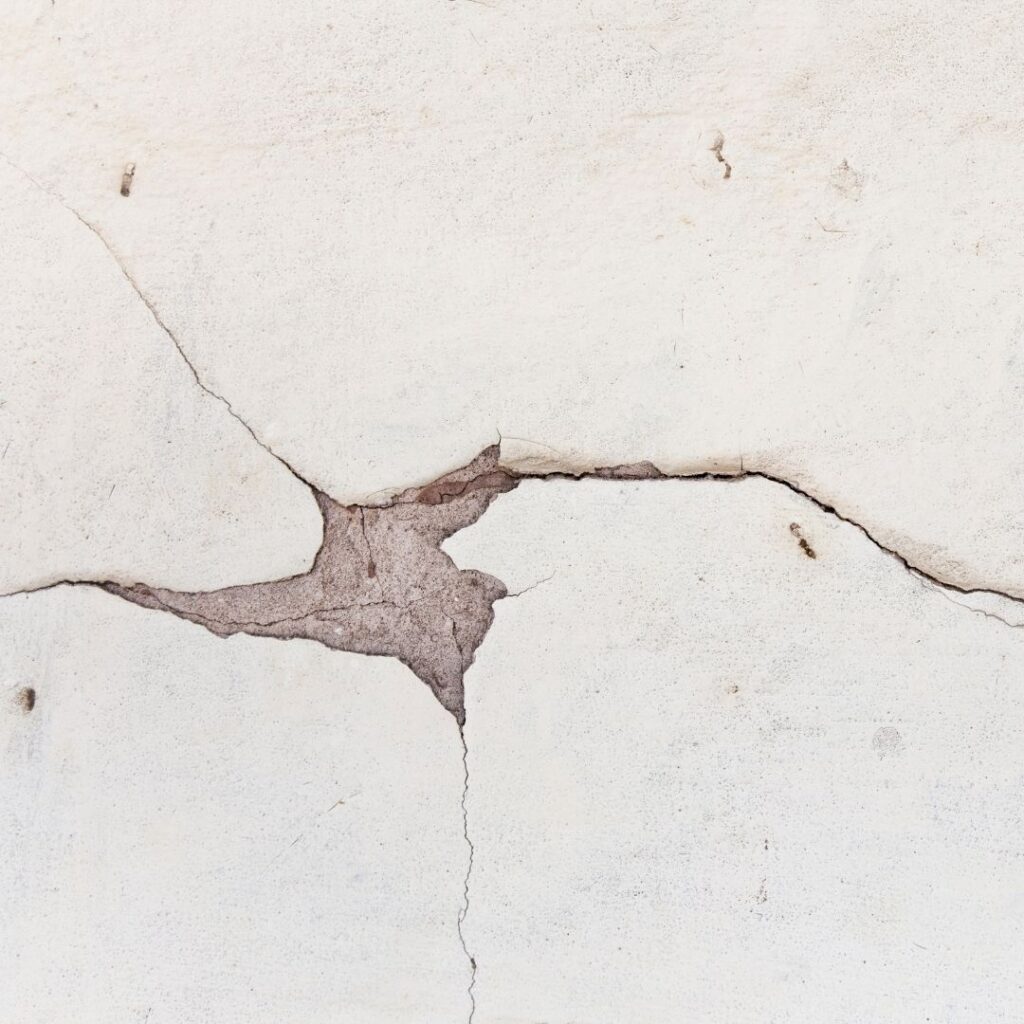
Which Cracks Are Normal, and Which Are Not?
Most hairline cracks are normal. Wide, horizontal, or growing cracks need a professional look.
| Crack type | Usually means | Next step |
| Hairline, thinner than about 1/8 inch | Normal curing or settling | Watch it, and seal it if water gets in |
| Vertical or diagonal, under 1/4 inch, not growing | Minor settling | Mark it and monitor |
| Wider than 1/4 inch | Possible movement | Get it evaluated |
| Horizontal | Soil or water pushing on the wall | Get it evaluated soon |
| Stair-step in brick or block | Uneven settling | Get it evaluated |
| One side of the crack sits higher than the other | Movement | Get it evaluated |
Photograph the crack with a ruler beside it, add the date, and check it again in a few weeks. Growth is the key clue.
How Inspectors Check the Structure
A standard home inspection is a visual check of the home’s major systems, and it includes the visible structure. The inspector notes cracks, sagging, moisture, and signs of movement. A structural inspection goes deeper when the standard inspection or the homeowner raises a concern.
A structural inspection looks closely at:
- Foundation walls: measuring cracks and checking whether a wall bows inward
- Beams, posts, and connections: rot, poor bearing, and past repairs that missed the cause
- Floor systems: sag and movement over time
- Water history: staining and wood discoloration that show how long moisture has been present
Inspectors may use moisture meters, laser levels, and thermal imaging cameras to support what they see. Our team holds licensed builder credentials in Michigan and Ohio and reports more than 200 combined years of experience, so evaluations draw on construction knowledge, not just visual checks.
A home inspection is not a pass or fail test. The report lists what was found so you can decide what to do next. If an inspector sees signs of active movement, the report may recommend a structural engineer or foundation specialist for a deeper look. Lenders and appraisers sometimes require a structural inspection during a sale.
Want to see how the options compare? Read our guide to different types of home inspections.
What to Do If You Spot a Structural Issue
Most signs call for an evaluation, not panic. Take these steps.
- Photograph the problem with a ruler for scale, and date the photo.
- Check for water sources, such as gutters, grading, and leaks.
- Recheck every few weeks and note any change.
- Hold off on patching cracks or jacking floors until you know the cause.
- Schedule an inspection to find the cause.
- If you are buying, use the report and any repair estimates to negotiate or decide.
If you notice a sudden sag, new cracking sounds, or doors that suddenly jam, treat it as urgent and call a professional.
Related Questions to Explore
- What are the most common structural issues in a house? Foundation cracks and settlement, sagging floors, bowing walls, roof framing sags, and wood rot or termite damage are the most common.
- Are structural issues a dealbreaker when buying a home? Not always. A red flag means get more information, not walk away. Cause and repair cost decide the outcome. A structural inspection and a repair estimate help you negotiate, ask for repairs, or decide to pass.
- How serious are cracks in a foundation? It depends on width, direction, and whether the crack is growing. This guide to common signs of foundation cracks covers more.
- Can you fix structural issues yourself? Small jobs like fixing gutters or sealing a hairline crack can be DIY. Repairs to beams, posts, foundation walls, or sagging floors need a licensed professional. A wrong fix can hide the cause and make it worse.
- What is the difference between a home inspection and a structural inspection? A standard home inspection is broad and visual. A structural inspection goes deeper into the foundation, framing, and movement, often with measurements.
- Can you prevent structural issues? Good drainage, clean gutters, and prompt repairs help. On new builds, a pre-pour check matters too. See how a pre-slab inspection helps prevent foundation cracks.
When to Call a Professional
Call an inspector or structural professional soon if you see:
- Cracks wider than 1/4 inch, horizontal cracks, or stair-step cracks
- Walls that bow or lean
- Floors that slope, sag, or bounce
- New gaps, plus doors and windows that suddenly stick
- Water in the basement or crawl space along with cracks
- A chimney or porch pulling away from the house
If you notice a sudden sag, hear cracking, or see fast movement, leave the area if it feels unsafe and call a professional right away.
Buying or selling? Get structural concerns evaluated before closing or listing. A pre-listing inspection helps sellers find issues first. InsideOut Inspections Plus serves Southeast Michigan, Northwest Ohio, and Northern Michigan.
Conclusion
- Structural issues affect the parts of a home that carry weight and keep it stable.
- Wide, horizontal, or growing cracks, sloping floors, and bowing walls deserve a professional look.
- Water is the most common cause, so fix drainage and leaks early.
Have a concern about your home’s structure? Schedule a structural inspection with InsideOut Inspections Plus, or book online today.
