

When you prepare to sell your home in Michigan or Ohio, you want to avoid any surprises that could kill a deal. More people are familiar with the inspection that a buyer requests. But for sellers, a home inspection is a proactive step you take before listing.
Though the physical checklist is the same, the timing and goals for each person are quite different. Getting a seller’s home inspection, or a pre-listing inspection, helps you identify repairs early so you can stay in control of your sale and protect your equity.
Understanding these differences is the best way to protect your equity and avoid surprise repairs that could stall your closing.
The Timing of the Inspection
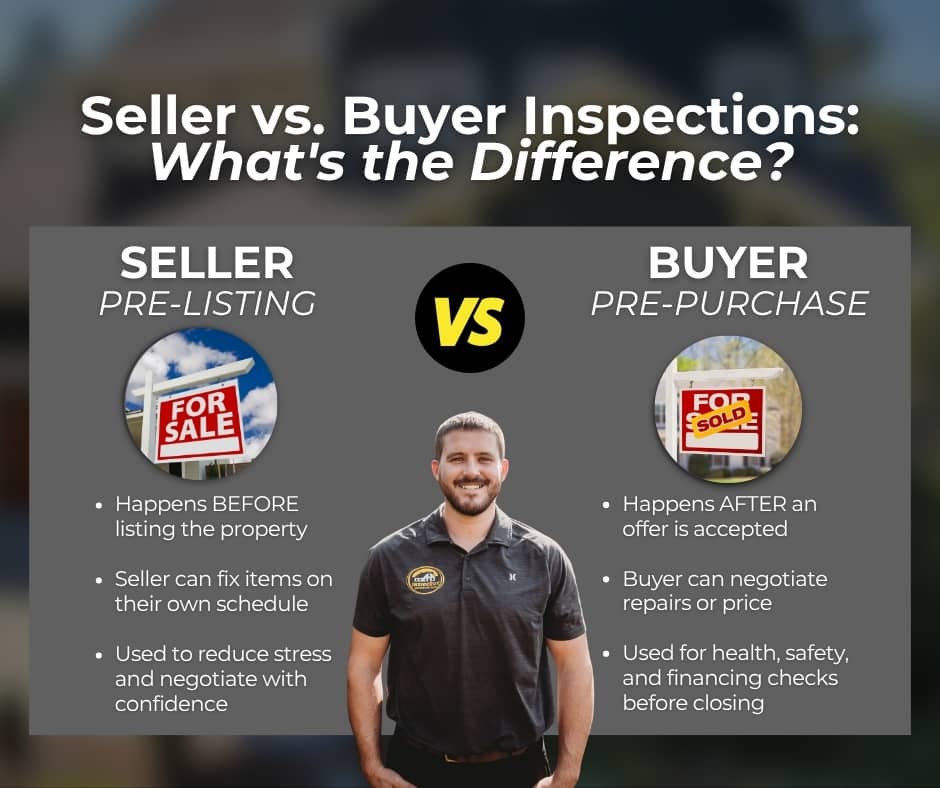
The biggest difference between a pre-purchase and pre-listing inspection is when they happen in the real estate timeline.
A general pre-purchase inspection for buyers happens after an offer has been accepted. At that point, the house is “under contract,” and the clock is ticking on the inspection contingency. This often creates a high-pressure environment for both the buyer and the seller.
On the other hand, a pre-listing inspection for sellers happens before the house ever hits the market. This is why it is often called a pre-listing inspection. By having an inspector look at your home early, you get a head start.
You can see your home through the eyes of a professional and address any issues on your own schedule. In our region, where older homes often have hidden maintenance needs, this early look is a massive advantage.
Who Owns the Inspection Report?
Another major difference is who “owns” the information. When a buyer pays for an inspection, that report belongs to them.
They are under no legal obligation to share the full report with the seller, though they often share specific parts of it when asking for repairs or a price drop.
When sellers invest in a pre-listing home inspection, you own the report. You decide how to use the information. You can choose to fix every single item listed, or you can simply disclose the findings to potential buyers so there are no surprises later.
Having this report in your hands allows you to be transparent and honest with buyers, which builds trust and can lead to stronger offers.
The Role of Negotiation
A buyer’s inspection is almost always used as a negotiation tool. If the inspector finds a problem with the furnace or a leak in the basement, the buyer will likely ask for a credit or a price reduction.
Because these negotiations happen while the house is under contract, the seller is often in a weak position. You might feel forced to agree to a high repair credit just to keep the deal from falling through.
With a seller’s home inspection, you remove the “surprise factor.” If you know the water heater is near the end of its life, you can either replace it now or price the home accordingly.
You are not haggling over repairs at the last minute because you have already addressed the issues. This leads to a much faster and more predictable closing process.
Common Issues Found in Michigan and Ohio Homes
Whether you are in the suburbs of Detroit or near the lake in Toledo, our local climate puts a lot of stress on a house.
During a home inspection for sellers, our team at InsideOut Inspections Plus looks for the specific problems that are common in the Great Lakes region.
Basement Moisture and Foundation Issues
In Michigan and Ohio, we deal with a lot of freeze-thaw cycles. This movement in the soil can cause foundation cracks and basement leaks. A buyer who sees a water stain in a basement might get scared and walk away.
If you find this during a pre-listing inspection, you can have a professional evaluate it and prove that it is either a minor issue or something you have already fixed.
Roof Wear and Tear from Heavy Snow
Our winters are tough on roofs. Between ice dams and heavy snow loads, shingles can wear out faster than homeowners realize.
A seller’s home inspection will tell you exactly how many years of life your roof has left. This is critical because many lenders in Michigan and Ohio will not approve a loan if the roof is in poor condition.
Radon and Environmental Concerns
Radon is a naturally occurring gas that is very common in our local soil. Many buyers will order a radon test as part of their inspection.
If you test for radon before you list, you can install a mitigation system if needed. This prevents a buyer from finding a high radon level and using it as a reason to back out of the deal.
Specific Benefits for the Seller
Investing in an inspection as a seller is not just about finding problems. It is a strategic move that provides several key benefits.
- Pricing Accuracy: You cannot accurately price your home if you do not know the condition of the major systems. If your HVAC and roof are in perfect shape, you can confidently ask for a higher price.
- Time for Professional Repairs: If a buyer’s inspection finds a problem, you usually only have a few days to get it fixed. This means you might have to pay a premium for the first contractor who is available. With a pre-listing inspection, you have weeks to shop around for the best price and the best contractor.
- Reduced Stress: There is nothing worse than thinking your house is sold, only to have the deal fall apart because of a bad inspection. Knowing what is coming allows you to stay calm and in control of the process.
How to Prepare Your Home for the Inspector
Whether it is a buyer or a seller ordering the inspection, the process goes much faster if the home is prepared. Our inspectors need to be able to see the major systems of the house to provide an accurate report.
First, make sure there is clear access to the electrical panel, the furnace, and the water heater. If these are blocked by boxes in the garage or basement, we cannot inspect them. Second, check your light bulbs.
A light that does not turn on might simply be a burnt-out bulb, but an inspector has to mark it as a potential electrical issue.
Finally, make sure the attic access is clear. We need to check the insulation and look for signs of roof leaks.
Does a Seller’s Inspection Guarantee a Faster Sale?
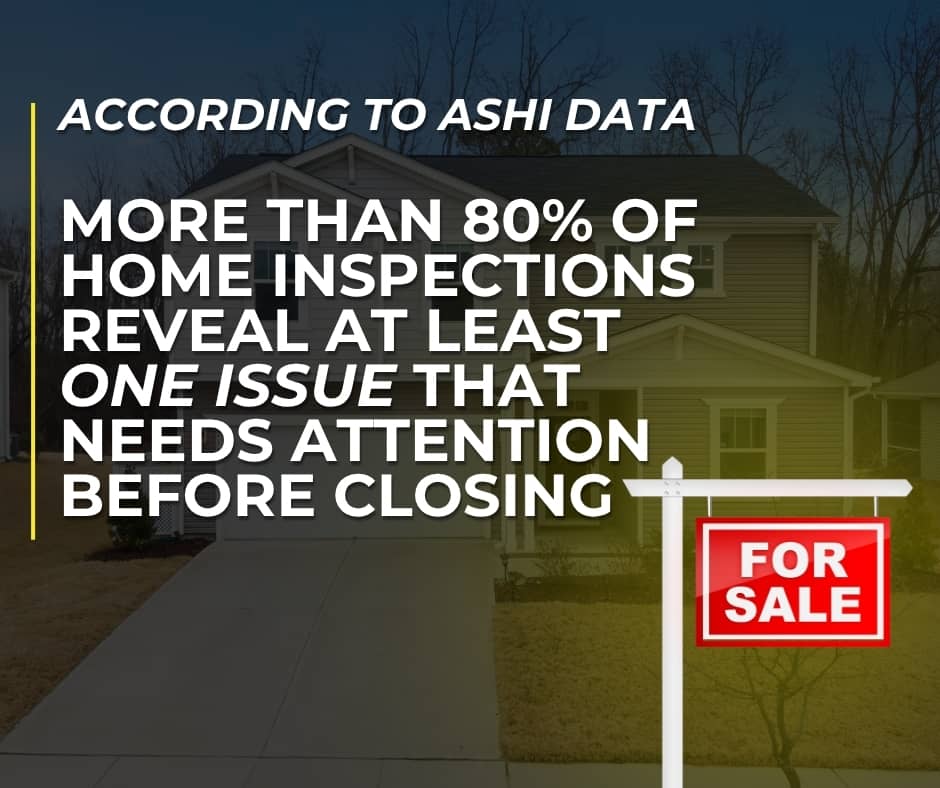
While a home inspection by the sellers doesn’t technically guarantee that a buyer will not find something else, it makes a “deal-breaker” much less likely.
Even if you provide your pre-listing report to the buyer, they will still likely hire their own inspector. This is normal and expected, as they want to ensure they make a sound investment.
However, when the buyer’s inspection occurs, they are going to find a home that is well-maintained and a seller who is transparent.
If their inspector finds something minor that you missed, it is much easier to resolve because the “big” issues have already been handled. This professional approach often makes the buyers feel more comfortable moving forward with the purchase.
Related Questions to Explore
Should sellers provide the inspection report to every buyer? Yes, it is usually a good idea to leave the report on the kitchen counter during showings. It shows that you are an honest seller and that you have taken care of the property.
What if the inspection finds a major problem I cannot afford to fix? If a seller’s home inspection finds a big issue like a foundation crack or an old electrical panel, you do not have to fix it. However, you must disclose it. This allows you to price the home lower so the buyer knows they are taking on that project.
Does a pre-listing inspection include a sewer scope? A standard home inspection usually only covers the visible plumbing. However, in older Michigan and Ohio neighborhoods, we highly recommend adding a sewer scope. This uses a camera to check the line from the house to the street for roots or breaks.
Can I use the seller’s inspection for my own insurance? While the report is a professional document, insurance companies usually require their own specific forms. However, showing that you have updated your roof or electrical system based on an inspection can sometimes help you get better coverage.
When to Call a Professional
If you are thinking about selling your home in the next six months, now is the time to call a professional. You want to give yourself enough time to digest the report and make any necessary repairs before the “For Sale” sign goes in the yard.
At InsideOut Inspections Plus, we serve homeowners throughout Michigan and Ohio with thorough, honest, and clear inspections. We understand the local building codes and the specific weather-related issues that affect homes in our region.
Our goal is to give you the information you need to sell your home with confidence and avoid the last-minute stress of the inspection period.
Conclusion
While a buyer’s inspection and a seller’s home inspection might look the same on the surface, they serve very different purposes. A buyer’s inspection is a safety net for the person purchasing the home, while a seller’s inspection is a strategic tool for the person selling it.
By investing in a pre-listing inspection, you can protect your equity, speed up your closing, and ensure a much smoother transition to your next home.
If you are ready to get your Michigan or Ohio home ready for the market, get in touch with our professional team to spot the details that matter most.
