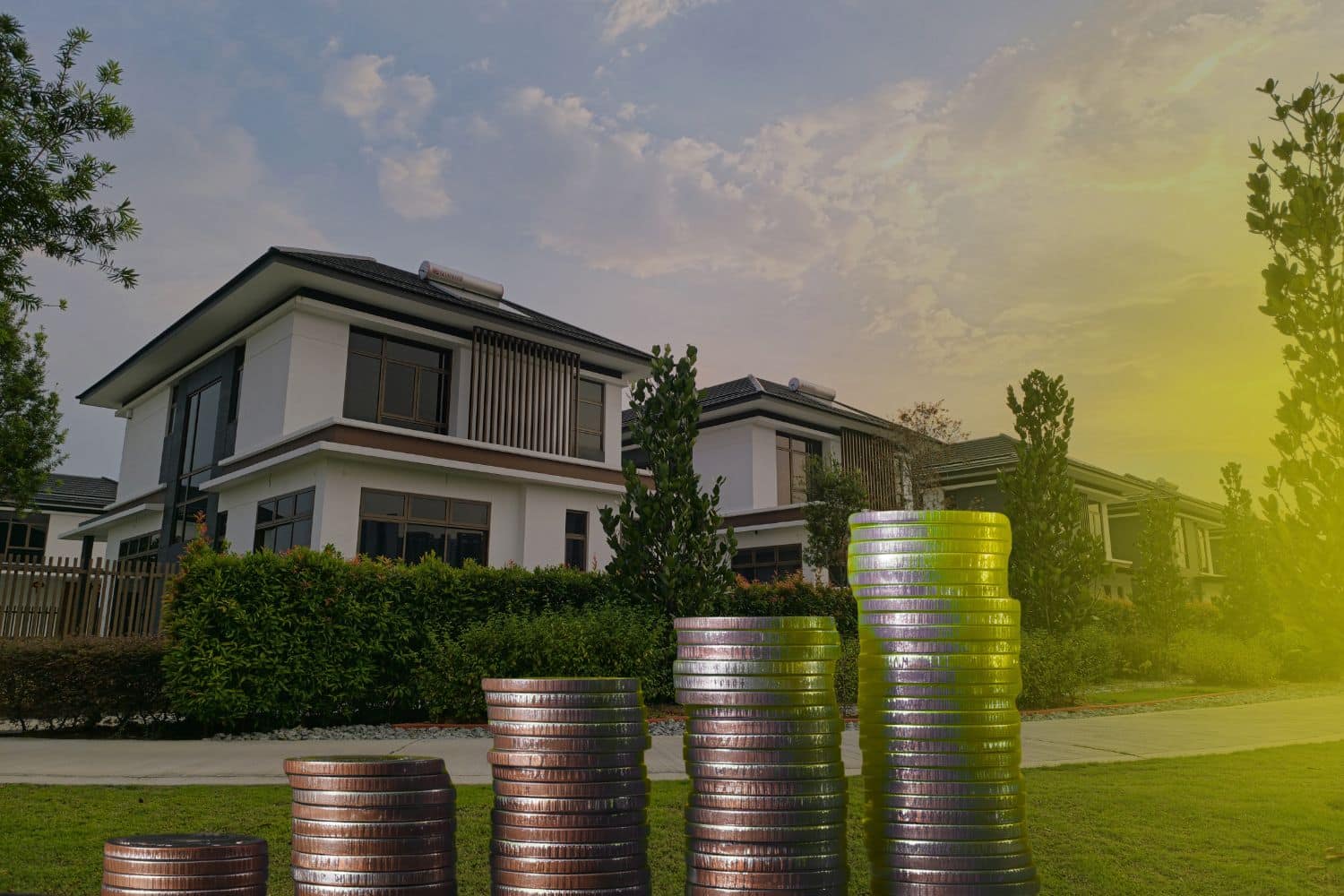
A property can look like a strong, positive investment and still underperform once the real costs show up. Projected rent, estimated resale value, and surface-level condition do not always reflect how a property will perform over time.
What ultimately determines whether an investment is positive is how well the building’s systems, structure, and components hold up under real use. A professional inspection helps identify risk, clarify future expenses, and turn unknowns into informed decisions.
This article explains how inspections, particularly investment inspections, help protect returns, reduce risk, and support smarter decisions for residential or commercial properties.
What “Positive Investments” Actually Depend On
Positive investments are built on predictability.
From an investor’s perspective, a property performs well when expenses are manageable, systems last as expected, and major repairs do not arrive earlier or cost more than planned.
When those factors are unknown, projections become guesses. Inspections help investors evaluate the elements that most directly influence long-term performance, including:
- The remaining service life of major systems
- The presence of deferred maintenance
- Conditions that affect safety and liability
- Issues that impact insurability or financing
- Likely repair and replacement timelines
Rather than confirming that a property “looks fine,” an inspection focuses on whether it can realistically support the returns being projected.
Why Surface-Level Evaluations Fall Short
Listings, walkthroughs, and seller disclosures are not designed to uncover investment risk. They are designed to market the property.
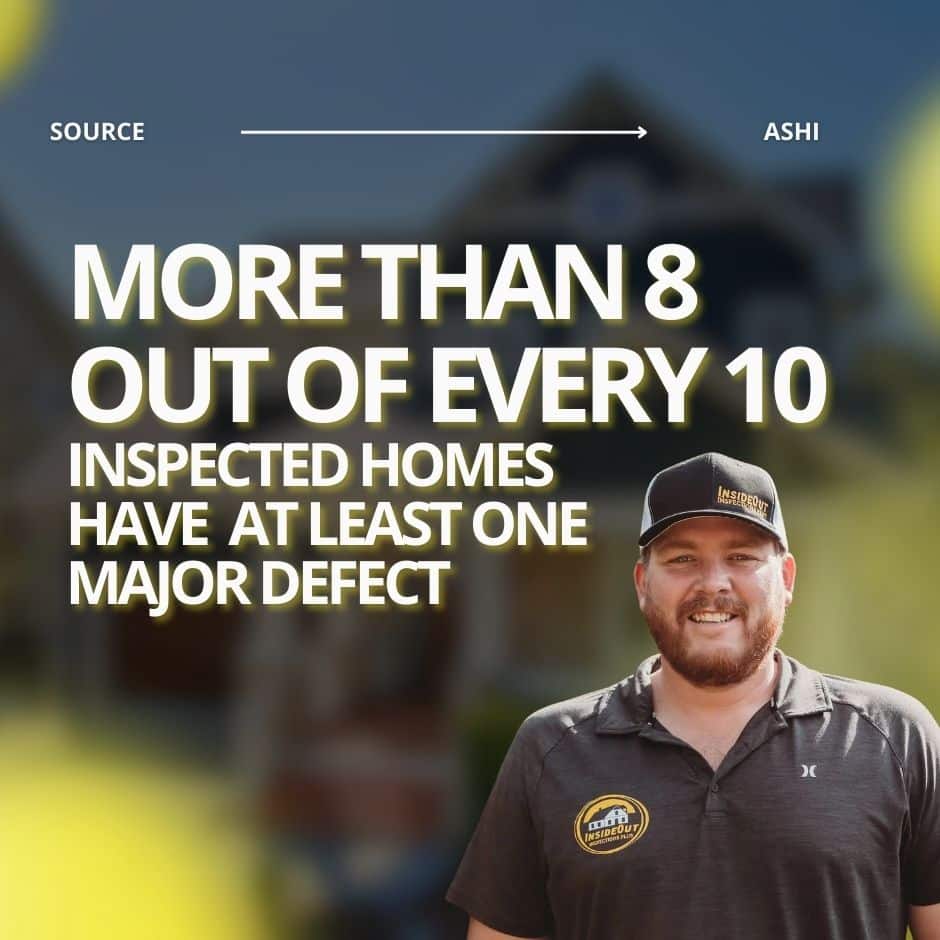
Many of the most expensive issues affecting performance are not obvious during a showing. These often include aging systems, improper installations, and long-term moisture or structural concerns that are easy to conceal.
Common risks missed without an inspection include:
- Roofing systems near the end of their useful life
- Electrical systems that limit capacity or future upgrades
- Plumbing materials associated with higher failure rates
- HVAC systems operating inefficiently or improperly
For investors, missing these issues does not just mean repairs. It means unplanned expenses that directly affect cash flow and returns.
How Investment Inspections Are Different
Not all inspections are conducted with investment goals in mind.
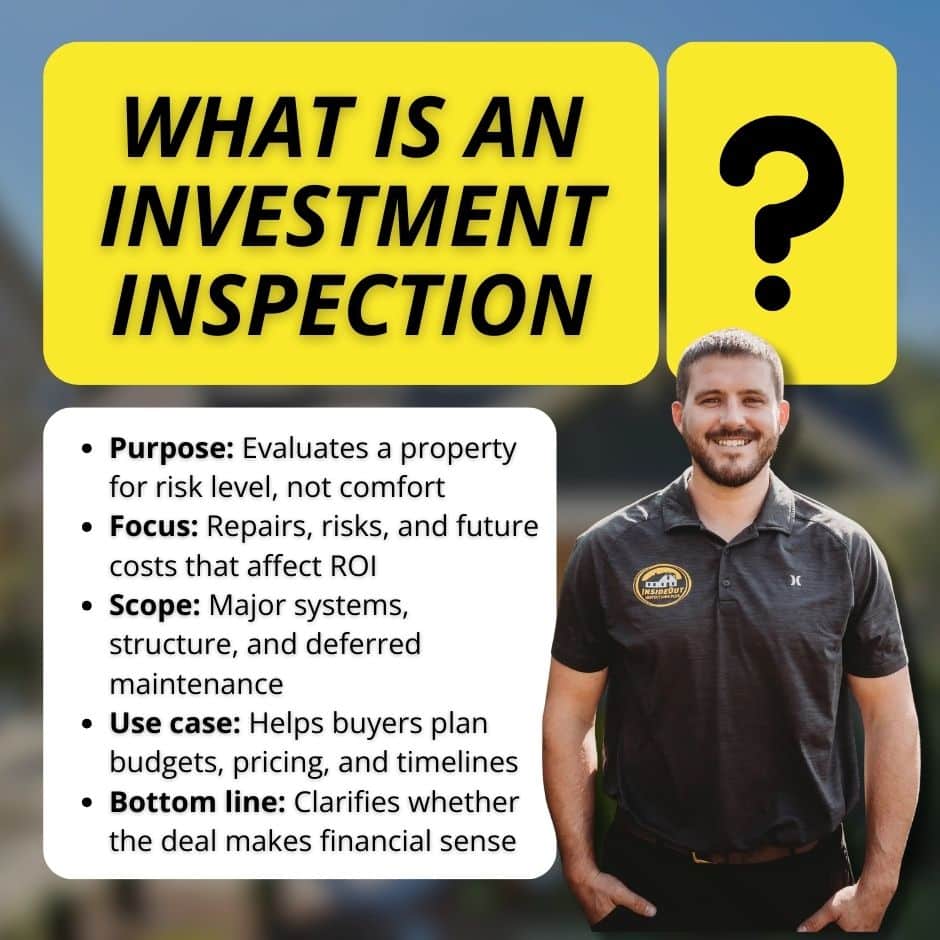
A standard buyer inspection focuses on general condition and safety. An investment inspection goes further by evaluating how the property will perform over time and what that performance will cost.
Investment inspections emphasize:
- System condition and remaining lifespan
- Patterns of deferred maintenance
- Conditions that increase operating costs
- Risks tied to insurance and financing
- Issues that affect long-term ownership strategy
This approach helps investors understand whether a property supports the financial model being used, not just whether it is livable.
Turning Unknown Repair Costs Into Predictable Planning
Unexpected repairs are one of the most common reasons investments underperform.
Without inspection data, investors often underestimate how soon major systems will need attention. Inspections help replace assumptions with documented conditions, allowing for more accurate forecasting.
Inspection findings support planning by:
- Identifying repairs that need immediate attention
- Highlighting systems nearing replacement age
- Clarifying which issues are safety-related versus cosmetic
- Helping investors adjust budgets before purchase
This information allows investors to plan expenses instead of reacting to failures after closing.
Deferred Maintenance Is One of the Biggest Threats to ROI
Deferred maintenance is one of the most common reasons investment properties underperform. It is also one of the hardest risks to spot without an inspection.
According to data from the National Apartment Association and Building Owners and Managers Association, deferred maintenance is consistently cited as a leading driver of unexpected capital expenses in income-producing properties.
Small issues that go unaddressed often accelerate wear on surrounding systems and lead to earlier-than-expected replacements.
During an investment inspection, deferred maintenance is evaluated as a pattern, not a checklist. Inspectors look for evidence that repairs have been postponed repeatedly rather than addressed when they first appeared.
Common indicators include:
- Temporary or improvised repairs instead of permanent fixes
- Multiple major systems are nearing the end of their service lives at the same time
- Long-term moisture intrusion that has spread beyond the original source
- Safety components that were never upgraded or replaced
For investors, the distinction between isolated maintenance issues and systemic neglect matters. Systemic deferred maintenance almost always leads to higher long-term ownership costs and reduced predictability.
How Inspections Help Protect Cash Flow Stability
Stable cash flow depends on systems working as expected. When failures happen without warning, expenses spike, and income is disrupted.
Industry studies on rental property performance show that emergency repairs typically cost significantly more than planned maintenance due to labor premiums, rushed decisions, and collateral damage. Inspections help reduce these risks by identifying conditions that are likely to fail under normal use.
Investment inspections commonly identify:
- Equipment operating beyond its intended service life
- Improper installations that shorten system longevity
- Inefficient componentsare driving higher utility costs
- Moisture and ventilation issues that accelerate deterioration
With this information, investors can plan repairs proactively, schedule replacements strategically, and protect operating income instead of reacting to emergencies.
Using Inspection Findings to Make Smarter Renovation Decisions
Renovation budgets are most effective when they are aligned with the actual property condition.
Without an inspection context, investors often prioritize cosmetic improvements while overlooking underlying issues that continue to affect performance.
Inspection findings allow investors to separate:
- Repairs required for safety, function, or code compliance
- System upgrades that extend usable life
- Improvements that reduce operating costs over time
- Cosmetic updates that offer limited financial return
This approach helps prevent over-improvement while ensuring that critical systems are addressed before they become liabilities.
System Performance Matters More Than Visual Condition
A property can appear updated and still perform poorly.
Investment inspections focus on how systems operate under normal conditions, not just how they look during a showing. Performance issues often have a greater impact on long-term costs than visible defects.
Inspectors evaluate:
- Electrical capacity, load distribution, and safety limitations
- Plumbing materials, drainage performance, and signs of deterioration
- HVAC efficiency, installation quality, and operational consistency
- Ventilation effectiveness and moisture control
System performance directly affects operating expenses, tenant comfort, and asset lifespan. These factors play a major role in determining whether an investment remains positive over time.
Insurance and Financing Outcomes Are Condition-Driven
Property condition plays a direct role in insurance eligibility and financing approval.
Insurance industry data shows that properties with aging roofs, outdated electrical systems, or unresolved water damage are more likely to face higher premiums, coverage limitations, or repair requirements before binding a policy.
Investment inspections help identify conditions that commonly affect underwriting, including:
- Roofing concerns tied to increased claim risk
- Electrical or plumbing defects that raise liability exposure
- Safety issues that trigger repair requirements
- Maintenance patterns that signal elevated risk
Understanding these issues early helps investors avoid delays, renegotiations, and unexpected costs during closing or refinancing.
Why Investment Inspections Are Even More Critical for Multi-Unit
Risk scales with property size. In multi-unit and commercial properties, one system failure can impact multiple tenants and multiply costs.
Investment inspections for multi-unit properties assess whether shared systems are properly sized, maintained, and capable of supporting current demand. Inspectors also look for inconsistencies between units that may indicate uneven maintenance or hidden issues.
Key focus areas include:
- Shared electrical and HVAC capacity
- Plumbing performance across multiple units
- Consistency of maintenance and repairs
- Safety and liability exposure affecting multiple occupants
For investors, this information is essential for planning costs and managing risk at scale.
Can an Inspection Change the Decision?
Not every inspection confirms a deal is worth pursuing. In many cases, the most valuable outcome is knowing when to walk away.
Investment inspections sometimes reveal:
- Repair costs that materially reduce projected returns
- System failures that complicate financing or insurance
- Maintenance patterns that indicate ongoing capital demands
Avoiding a poor investment protects capital just as effectively as securing a strong one.
How InsideOut Inspections Plus Supports Investment Decisions
InsideOut Inspections Plus provides investment inspections designed specifically for residential, commercial, and income-producing properties across Ohio and Michigan.
Their inspections focus on:
- Evaluating system condition and remaining service life
- Identifying risks that affect cash flow and ROI
- Explaining findings in clear, decision-focused language
- Supporting long-term planning and ownership strategies
This approach helps investors make informed decisions backed by real property data rather than assumptions.
Related Questions to Explore
Can an inspection help estimate future capital expenses?
Yes. Investment inspections highlight systems nearing replacement and conditions that affect long-term planning.
Are investment inspections different from standard buyer inspections?
Yes. They focus on performance, durability, and cost exposure rather than general livability.
Do inspection findings affect refinancing or resale?
Inspection data helps guide upgrades and address concerns before refinancing or listing.
Is skipping an inspection ever worth the risk?
Skipping inspections increases uncertainty and exposes investors to avoidable losses.
Conclusion
Positive investments are built on clarity, not optimism. Inspections provide the information investors need to evaluate risk, control costs, and plan for long-term performance.
By treating investment inspections as a strategic tool rather than a formality, investors can protect returns and reduce the likelihood of costly surprises over time.
