
Winter in the Midwest is not for the faint of heart. Between freezing temperatures, heavy snow, and unpredictable storms, your home takes a beating every year. Learning how to winterize your home is one of the best ways to keep it comfortable, safe, and energy-efficient.
Whether you live in Ohio, Michigan, or another nearby area, a few simple steps now can prevent frozen pipes, drafts, roof leaks, and other cold-weather headaches later.
This guide walks you through what to check, fix, and improve before the real chill sets in.
Seal Air Leaks and Stop Drafts Early
One of the easiest and most effective ways to winterize your home is by sealing drafts. Even tiny gaps around doors, windows, and attic openings can let out warm air and bring in cold gusts.
How to spot them:
- On a windy day, hold a candle or incense stick near window edges or door frames. If the flame flickers, air is leaking.
- Look for visible cracks or gaps where trim meets drywall or flooring.
- Check weatherstripping for cracks, gaps, or brittleness.
How to fix them:
- Replace worn weatherstripping around doors and windows.
- Add caulk around window frames or baseboards.
- Install door sweeps to stop air from sneaking underneath.
- Hang insulated curtains or thermal blinds to trap heat indoors.
Drafts don’t just raise your heating bill; they can also create condensation that leads to mold.
A professional home inspection can pinpoint hidden areas of air loss using specialized tools and processes to detect temperature changes you might miss.
Insulate Exposed Pipes and Plumbing Lines
Frozen pipes are one of the most common and costly winter problems. When water freezes inside a pipe, it expands and can cause a rupture that floods your basement or crawlspace.
Start by checking:
- Basements and crawlspaces
- Attics and unheated garages
- Outdoor hose bibs and irrigation lines
Protect these vulnerable spots with foam pipe sleeves, heat tape, or fiberglass insulation. Disconnect all hoses and drain outdoor faucets before the first freeze.
If you’ll be traveling during the winter months, set your thermostat no lower than 55°F and open cabinet doors near sinks to allow warm air to circulate.
InsideOut Inspections Plus often finds water damage caused by pipes freezing behind uninsulated walls, especially in older homes.
Get Eyes On Your HVAC
A well-maintained furnace or boiler is essential for both comfort and safety. Before temperatures drop, test your heating system to make sure it’s ready to perform.
Maintenance checklist:
- Replace or clean the air filter.
- Inspect air vents to ensure nothing is blocking airflow.
- Test the thermostat and consider upgrading to a smart model.
- Listen for rattling or whistling noises that signal loose parts or airflow issues.
Having your furnace serviced once a year helps prevent breakdowns and reduces energy waste.
A trained HVAC technician can check for carbon monoxide leaks and verify that all components are operating safely.
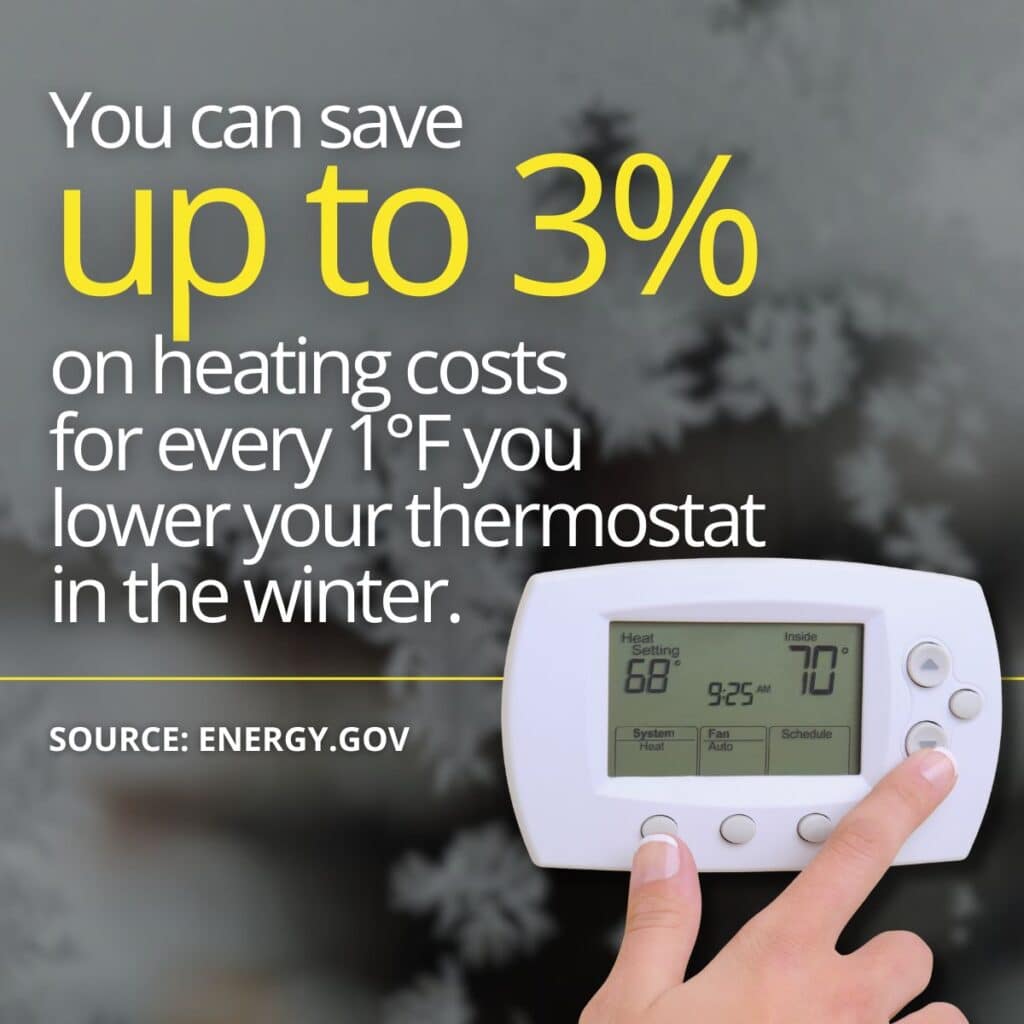
Energy tip: Lowering your thermostat by just one degree in winter can save about 1–3% on heating costs without sacrificing comfort.
Inspect the Roof and Attic
Your roof and attic are key as you winterize your home. It’s the primary way to keep heat in and moisture out. When warm air rises and escapes through the roof, it can melt snow that later refreezes at the edges, forming ice dams.
These heavy ridges of ice can damage shingles, gutters, and insulation.
What to look for:
- Loose, missing, or curled shingles
- Rusted flashing or cracked sealant around vents
- Damp insulation or dark stains in the attic
- Blocked soffit or ridge vents
Clean your gutters and downspouts so snowmelt can drain away easily. In the attic, aim for 10 to 14 inches of insulation to reduce heat loss.
If you see uneven snow melt on your roof, that’s a clear sign of poor insulation or ventilation.
A professional inspector can assess attic airflow and insulation levels to prevent costly roof damage before winter storms arrive.
Clean and Prepare Your Fireplace and Chimney
Few things are better than a warm fire on a snowy night. However, fireplaces and chimneys need regular care to stay safe.
Over time, soot and creosote buildup can cause chimney fires or block ventilation.
Before using your fireplace this winter:
- Have your chimney professionally cleaned and inspected.
- Check that the damper opens, closes, and seals properly.
- Look for cracks in the firebox or mortar joints.
- Install a metal cap to prevent birds, squirrels, and rain from entering.
If smoke doesn’t draft properly or you smell strong odors after a fire, schedule a chimney inspection.
Many wintertime house fires start because maintenance was skipped during the fall.
Protect the Basement and Foundation
Midwestern winters cause the ground to expand and contract, which puts pressure on your foundation.
Moisture from melting snow can seep into cracks and lead to structural problems or mold growth.
Ways to prevent damage:
- Make sure your gutters and downspouts channel water at least six feet away.
- Grade your soil so it slopes away from your home.
- Seal visible cracks in basement walls or floors.
- Check sump pumps and drains for clogs.
If your basement smells musty or you notice new cracks, damp spots, or peeling paint, schedule an inspection. Catching early signs of water intrusion now can prevent major repairs later.
Test Smoke and Carbon Monoxide Detectors
Winter means furnaces, fireplaces, and space heaters all running at once. That makes safety equipment more important than ever.
Simple steps for peace of mind:
- Test every smoke and carbon monoxide detector monthly.
- Replace batteries when you adjust clocks for daylight saving.
- Install detectors in hallways outside sleeping areas and on every floor.
- Replace old units every 7 to 10 years.
Carbon monoxide is colorless and odorless. Without proper detection, it can go unnoticed until it becomes dangerous.
Experts like InsideOut inspectors often remind homeowners that heating equipment is a top source of CO buildup in the winter months.
Check Electrical and Plumbing Fixtures
Colder months put extra stress on household systems. You winterize the home to make sure everything is functioning safely before freezing weather hits.
What to inspect:
- Electrical panels for signs of rust or tripped breakers.
- Outlets and light switches for loose covers or flickering lights.
- Washing machine hoses for cracks or bulges.
- Sinks and tubs for slow drains that may freeze and back up.
If you have a crawlspace or unfinished basement, look for uninsulated wiring or open vents that allow cold air to reach plumbing lines. These areas are common sources of hidden issues uncovered during inspections.
Prepare Outdoor Systems and Spaces
Outdoor areas often get forgotten once the temperature drops, but neglecting them can create problems in spring.
Quick outdoor prep checklist:
- Drain and store garden hoses and sprinkler lines.
- Shut off and drain exterior faucets.
- Cover outdoor electrical outlets with weatherproof covers.
- Store patio furniture and planters in a dry place.
- Trim tree branches away from the roof to prevent ice damage.
If you have a deck, look for loose boards or railings that could become safety hazards when icy. A pre-winter inspection can catch wood rot or moisture problems before they worsen.
Keep Indoor Air Clean and Comfortable
When you seal your home tightly for warmth, indoor air quality can drop. Dry air, dust, and trapped allergens make winter less pleasant.
Easy ways to improve comfort:
- Replace furnace filters every 30–60 days.
- Use a humidifier to maintain indoor humidity between 30% and 50%.
- Run exhaust fans in bathrooms and kitchens to remove excess moisture.
- Clean vents, registers, and ceiling fans regularly.
The Environmental Protection Agency reports that indoor air can be several times more polluted than outdoor air, especially in winter. Regular ventilation and filtration protect both your health and your home.
Inspect Attic and Crawlspace Moisture Levels
Your attic and crawl space are two of the most common places for hidden moisture problems in Midwest homes.
When warm indoor air meets cold surfaces, condensation can form and lead to mold, wood rot, or insulation damage that often goes unnoticed until it spreads.
Check these areas a few times each winter:
- Attic: Look for water stains, dark spots, or frost on roof decking and beams. Make sure soffit and ridge vents aren’t blocked so warm air can escape.
- Crawl Space or Basement: Watch for standing water, musty smells, or damp insulation along joists and foundation walls. Keep vents sealed and use a vapor barrier if needed.
Other Common Home Questions
What inspections are important for new construction or luxury homes?
Even new or high-end homes can have hidden defects. A specialized inspection checks code compliance, materials, systems, and finishes before final sale or occupancy to protect your investment.
Why do manufactured or mobile homes require specific inspections?
Manufactured homes have unique foundation, tie-down, and skirting systems. A specialized inspection ensures they are installed correctly and meet local safety standards.
What type of inspection do I need when I’m buying or selling a home?
Whether you’re purchasing or listing, a full residential inspection identifies structural, mechanical, and safety issues. It covers everything from the roof and foundation to HVAC and plumbing systems.
What other specialty inspections might be helpful?
Some properties benefit from additional inspections such as pool evaluations, mold testing, or sewer scope checks. These add-ons help identify issues that standard home inspections do not cover.
When to Call a Professional
Some winterizing tasks are easy to handle on your own, but others need a trained eye. Call a professional home inspector if you notice:
- Persistent drafts or uneven heating
- Water stains or damp spots on walls or ceilings
- Cracks in the foundation or basement floors
- Flickering lights or frequent breaker trips
- Excessive condensation on windows
InsideOut Inspections Plus serves homeowners across Ohio and Michigan, offering complete home inspections that catch small problems before they become expensive repairs.
Whether you’re preparing for winter or buying a home during the colder months, their inspectors can help you make confident, informed decisions.
Conclusion
Choosing to winterize your Midwest home is about more than comfort. It’s about protecting your investment, lowering your energy costs, and staying safe through the harshest part of the year.
Start with simple steps like sealing drafts, insulating pipes, and testing your safety devices. Then, if you want full peace of mind, schedule a professional inspection.
InsideOut Inspections Plus will help you confirm that your home’s structure, systems, and insulation are ready for whatever winter brings.
